Module 2: Introduction to Adversarial Thinking
On this page 5
What is an Adversary?
An adversary is an individual, group, or entity that opposes or acts in conflict against another, seeking to achieve specific goals — often at the expense of others. They operate across multiple domains (physical, cyber, social, etc.).
The Adversarial Process
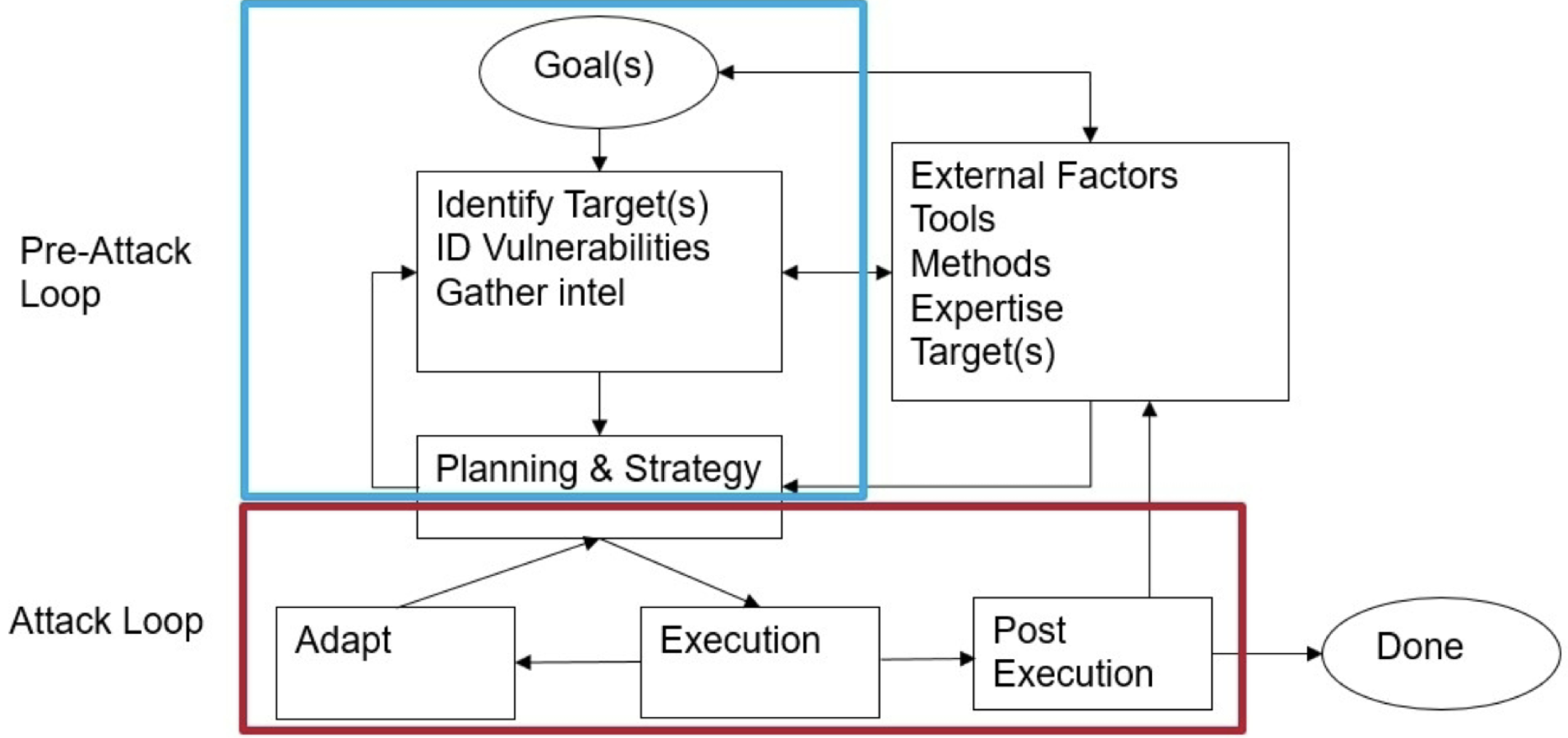
The Adversarial Mindset: Goals, Motivation & Objectives
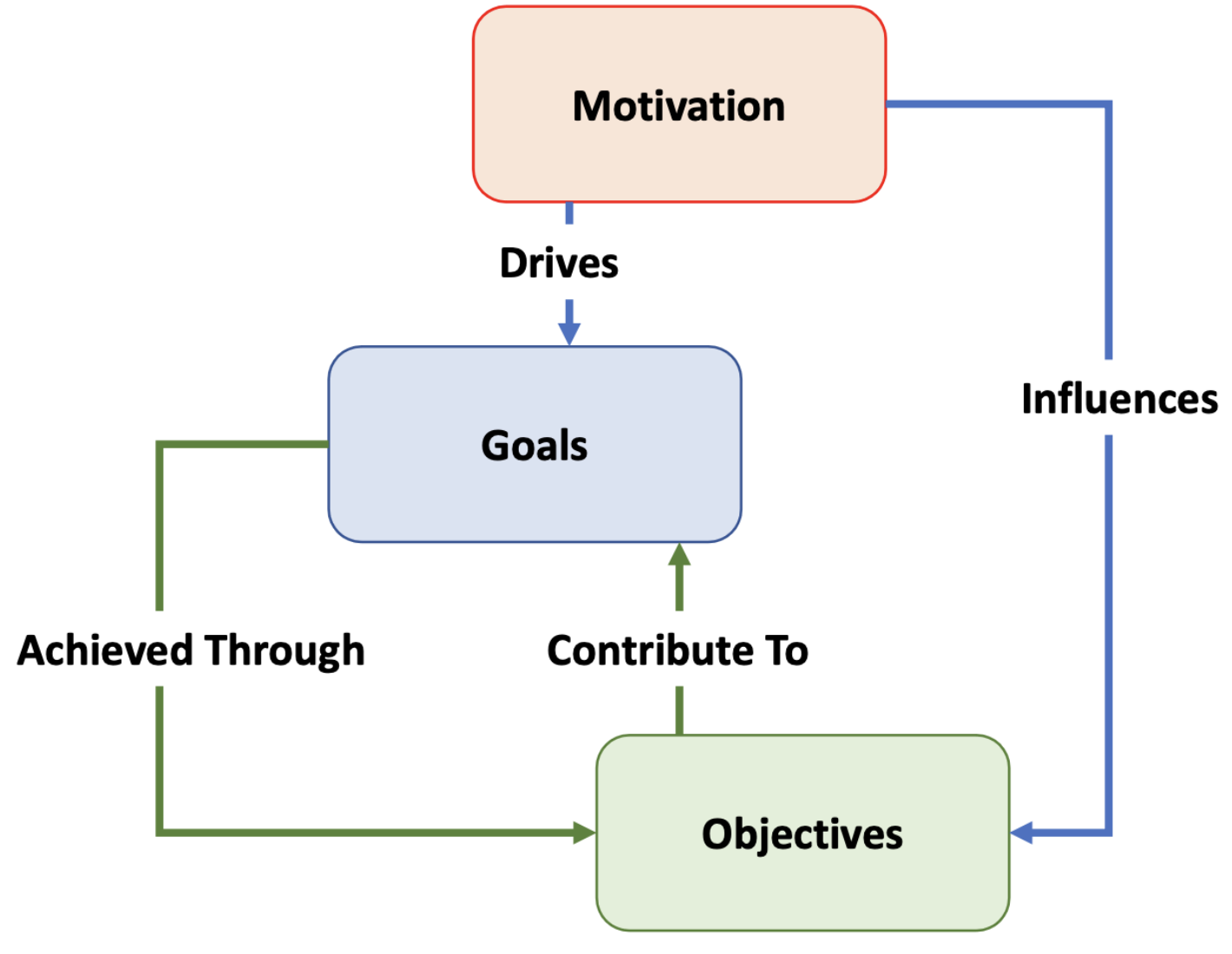
These three concepts are distinct but deeply connected:
- Goals — the specific outcomes an adversary wants to achieve. They are concrete, measurable, outcome-focused, and can evolve over time.
- Motivation — the why behind the adversary's actions. Can be internal or external, tends to be broad and abstract, and directly influences decision-making (e.g., ideological beliefs, desire for revenge).
- Objectives — the steps taken to reach a goal. Specific, quantifiable, short-to-medium-term milestones that are directly actionable.
In short: Goals give direction, motivation provides the driving force, and objectives are the concrete steps that get you there.
Types of Adversarial Motivation
- Political — influence or destabilize governments and policy
- Economic — financial gain or competitive advantage
- Ideological/Religious — advance a belief system or cause
- Personal — revenge, grievance, or personal gain
- Technological — acquire or disrupt technology and IP
- Strategic/Military — gain tactical or geopolitical advantage
Crosscutting Goals of Adversaries
Regardless of motivation, adversaries tend to pursue a common set of objectives:
- Espionage — covert intelligence gathering
- Disruption — degrading systems, services, or operations
- Reputation Damage — undermining trust in a person or organization
- Resource Control — acquiring or denying access to assets
- Social Engineering — manipulating people to achieve access or information
- Intimidation/Coercion — using threats to influence behavior